What is Cottage Living?
What is Cottage Living? And why is it worthwhile?
What comes to mind when you think of a cottage? Thatched roofs and overflowing gardens? Perhaps summers spent by a lake or a beach?
According to the Cambridge dictionary, a cottage is defined as a small, simple house, typically in the countryside. I like Wikipedia’s description:
“A cottage is usually a modest, often cosy dwelling, typically in a rural or semi-rural location”.
When I picture a cottage, I see warm sunlight streaming through windows onto old books on a bookshelf, children playing on the living room floor while Mom cooks lunch, the divine scent of roses and honeysuckle lingering around open windows. I see loaves of fresh bread cooling on the counter, a basket of fresh eggs, and the children running barefoot in the backyard. Not just a house, but a home.
A Refuge
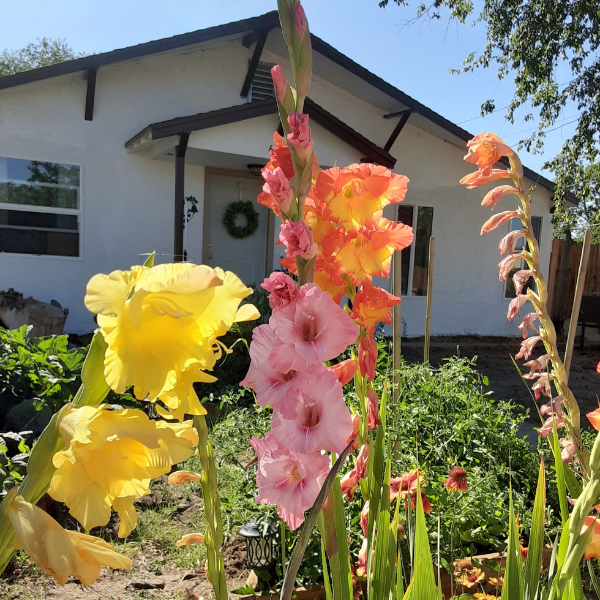
The feeling of home is central to cottage life. Our homes are our refuge from the outside world and it’s stresses. The place where we can be ourselves, where we can be with our loved ones. It should be comfortable, peaceful, warm and welcoming. There have been many times when my husband and I have called our home our bomb shelter, the one place where we could retreat to to rest and recover.
The Home Serves the Family
Each family’s home will be unique to them, but I believe there are a few things that most homes will have in common.
- Family photos – Current photos of family members, old family portraits, or a blend of the two. Put photos up to remind your family of fun times spent together or moments of pride.
- Common areas that promote interaction – The living room is typically the central gathering spot of the house. Maybe it includes a shelf of games or puzzles, couches arranged to encourage visiting instead of staring at the TV, or interesting books on the coffee table.
- An accessible kitchen – Preferably one that has fresh treats available. The living room may be the main gathering spot, but the kitchen is the heart of the home. It is where love is made tangible through excellently prepared, delicious and nutritious food. Hear me when I say that doesn’t mean complicated or that every meal needs to be 5 courses. Some of the best meals are the simplest.
- It smells amazing – This is a tough one when you have pets or animals. But one of the first things you notice when going into a house is how it smells. Open up the windows frequently to let in fresh air, light a candle or use a room refresher spray. I have found that my diffuser scents the room nicely, although if you have pets you need to be careful which oils you use as some are toxic to dogs and cats. Or, if the rest of the house just smells clean, sometimes the best scents come from the kitchen. Baking bread or cookies, sautéing onions and peppers, chicken stock simmering on the stove – doesn’t your mouth water just thinking about it?
- Comfort and coziness reigns supreme – Comfortable chairs, fluffy pillows, sentimental items close by and lovely art on the walls all speak to who you are as a person, as a family, to any visitors you invite inside. This applies whether you are a minimalist or maximalist, or whether your style is more sleek Mediterranean or cozy English cottage.
Industriousness
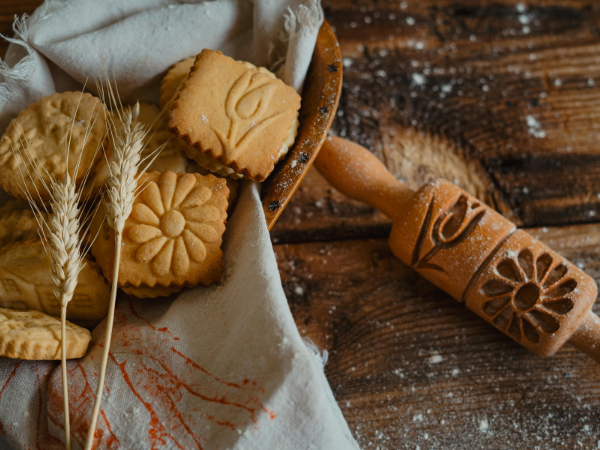
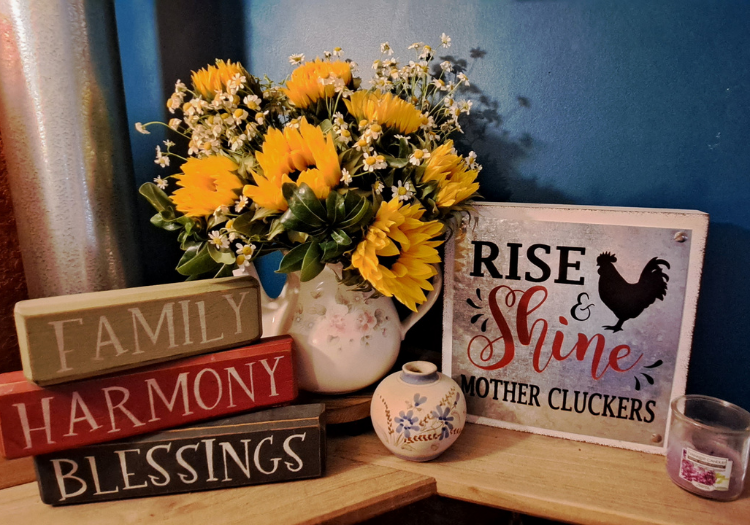
Another thing that comes to mind when I think of a cottage is industry. As in cottage industry. There are regulations that allow certain food items to be prepared and sold from people’s homes without a commercial kitchen called “cottage food laws”. Cottages used to be centers of creative production, especially in the kitchens. Cottage cheese was made with leftover milk, bread was baked, vegetables were pickled, meat was salted or smoked.
Outside the kitchen time was spent working the gardens and fields, washing and mending the laundry, spinning, making candles, and at the end of the day time was spent together as a family, perhaps reading a book or knitting together.
Work is Good for the Soul
I know what you’re thinking. “But, Ariel, they had to do all these hard tasks just to survive, not because they wanted to. Nowadays we don’t have to worry about that stuff, I can just go to the store and buy any kind of food I want.” And yes, you’re right. They didn’t have any other option than to do all this hard work because if they didn’t, they’d starve and die.
I’m not advocating a return to those times, because I am very thankful I don’t have to worry about my family starving if my garden fails, especially in the harsh climate I live in. I am, however, advocating a return of some of the creativity and pride in hard work that was present in previous generations. There is a quote that I like:
There are so many gadgets available now to save us from doing hard work, but nobody asks if the work might’ve been enjoyable in the first place! (paraphrased)
John Seymour, author of A Self Sufficient Life and How To Live It
Humans are built to work hard, and even though at the end of a long day we may well be exhausted, there is still a sense of accomplishment and pride in a job well done that just isn’t there after a day spent surfing Netflix from the couch. We don’t have to do all the things all the time. In fact, we can’t. It’s not possible and we’re not built that way.
Production
A big part of cottage living is shifting from being a consumer to a producer. Don’t just take and take and take. Learn how to make. Learn to bake your own muffins, make pickles, salsa, roast whole chickens and then simmer the bones for homemade chicken stock. It’s thrifty and the end result tastes a whole lot better than store bought.
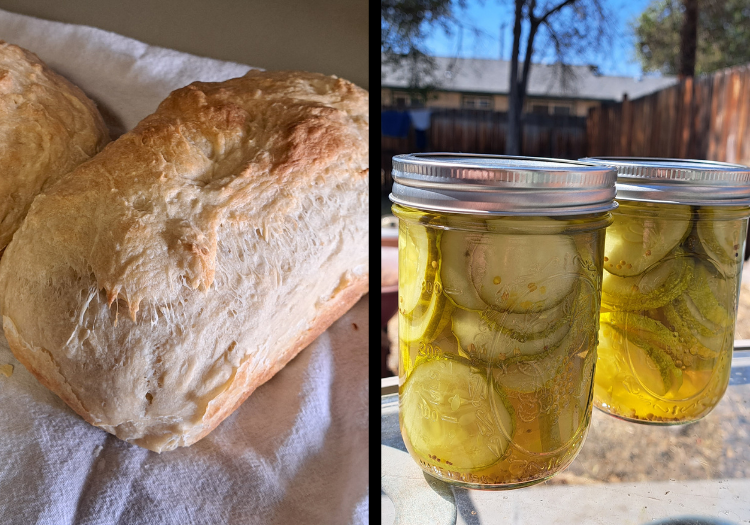
There are many resources available to learn how to do things yourself. One of the first things I learned once I was married and in charge of my own kitchen was to use a chef’s knife properly. This has served me well since then as I can chop up vegetables faster than it would take me to pull out the food processor. There are so many ways to use creativity and a love of learning in the kitchen.
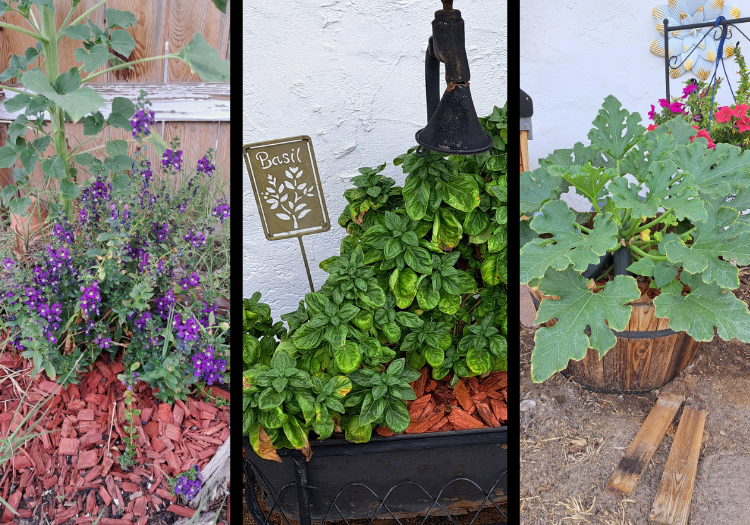
Creativity and thriftiness can extend outside of the kitchen as well. You can take kitchen scraps and turn them into compost to feed your garden. Plant native flowers in your yard for the butterflies and hummingbirds. Try growing some of your own fruits and vegetables. There is no end to videos and reels online showing how to upcycle items or give things a new life with a coat of paint. I have a friend who alters and dyes her clothes. Some people enjoy making their own soap, candles, quilts or adding personal touches with embroidery.
I condensed these thoughts into the caption for my newsletter:
Work Joyfully – Live Simply – Create Beauty
I would love to hear your thoughts on this subject, please do consider leaving a comment!
Until next time,
Ariel